


What Nobody Tells You Before You Buy a Condo in Hawaii
Buying a condominium in Hawaii is often the most realistic path to homeownership for local families. The mortgage fits. The price is lower than that of a single-family home. It feels like the door is finally open. Then the HOA bill arrives.
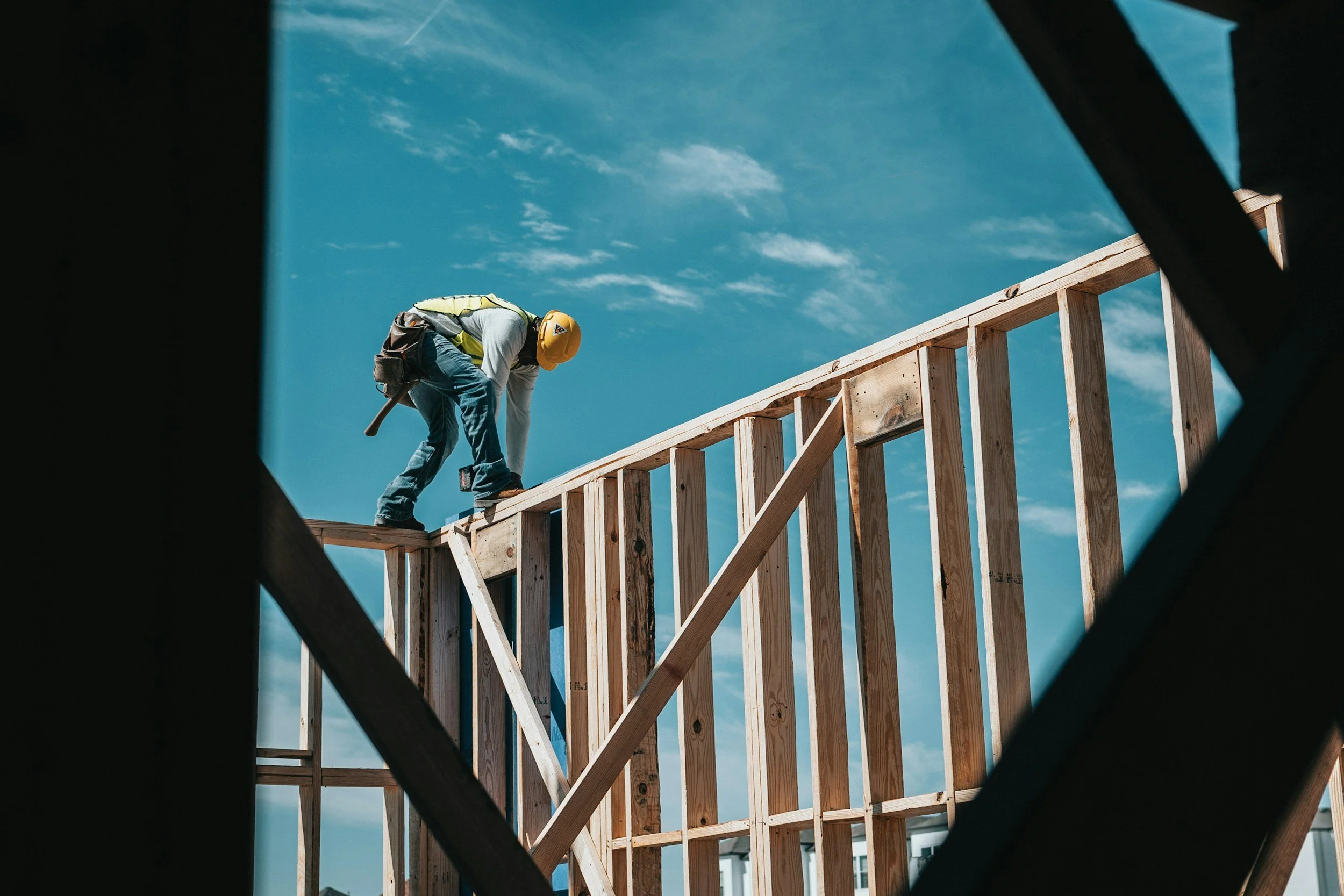
Hawaii Has a Housing Affordability Problem. Faster Permits Won’t Fix It.
Every housing conversation in Hawaii eventually comes down to the same thing: permits. They take too long. They cost too much. Fix the permitting system, and the housing will follow.
But here is the part of the story that doesn’t get told as often: Hawaii has been building housing. And for most families in this state, it still doesn’t matter. They still can’t afford it.

Understanding Artificial Intelligence
With advancements in AI, it can be hard to understand how to use it ethically. That is why The Learning Observatory has developed a basic course for anyone to follow.
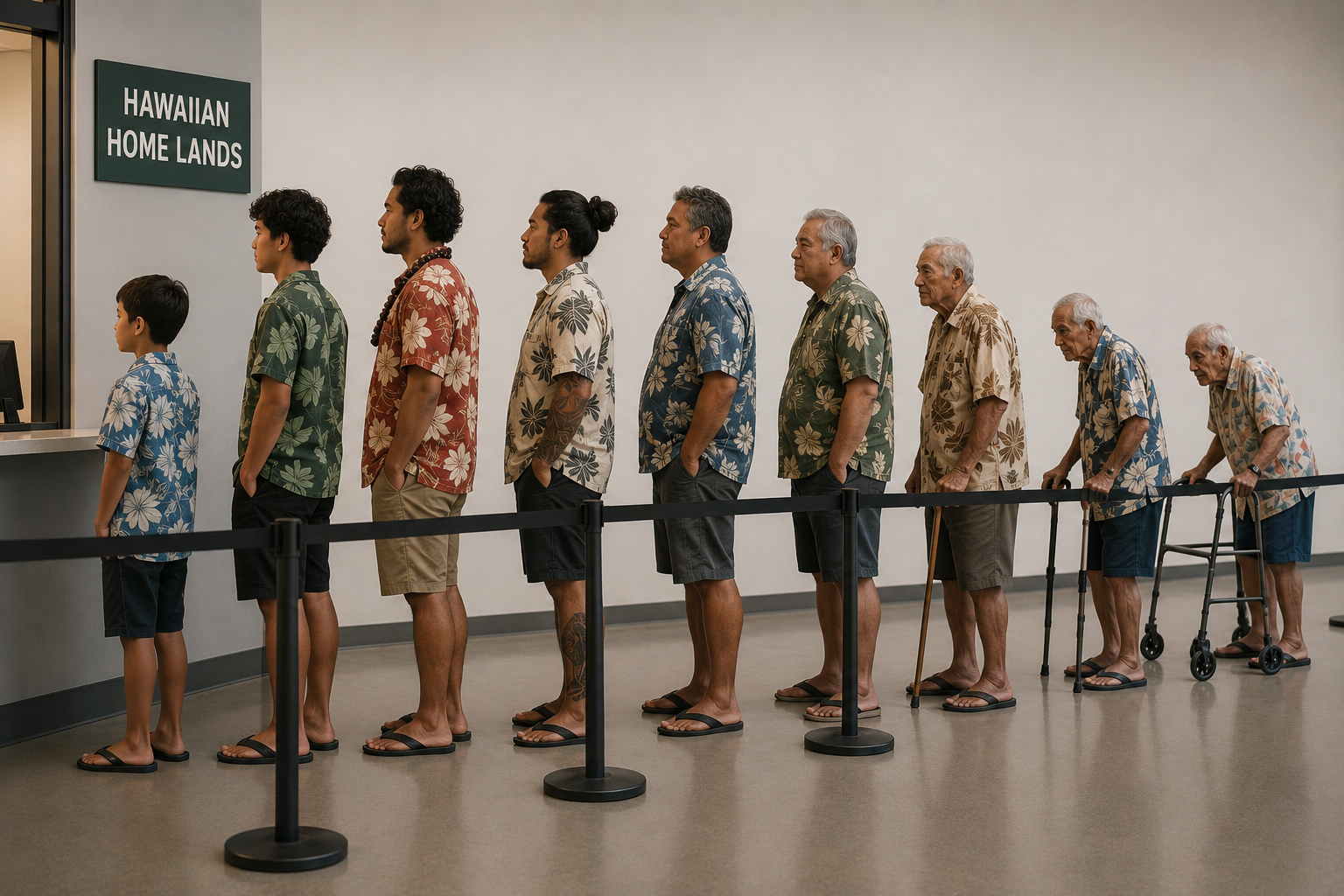
Twenty-Two Years on a List
Somewhere in the Department of Hawaiian Home Lands files is an application dated 1952. The person who filed it was waiting for a homestead lot — land set aside by Congress in 1921 specifically for Native Hawaiians. As of the most recent count, that application was still on the list.
Seventy years. That's not a backlog. That's a lifetime.
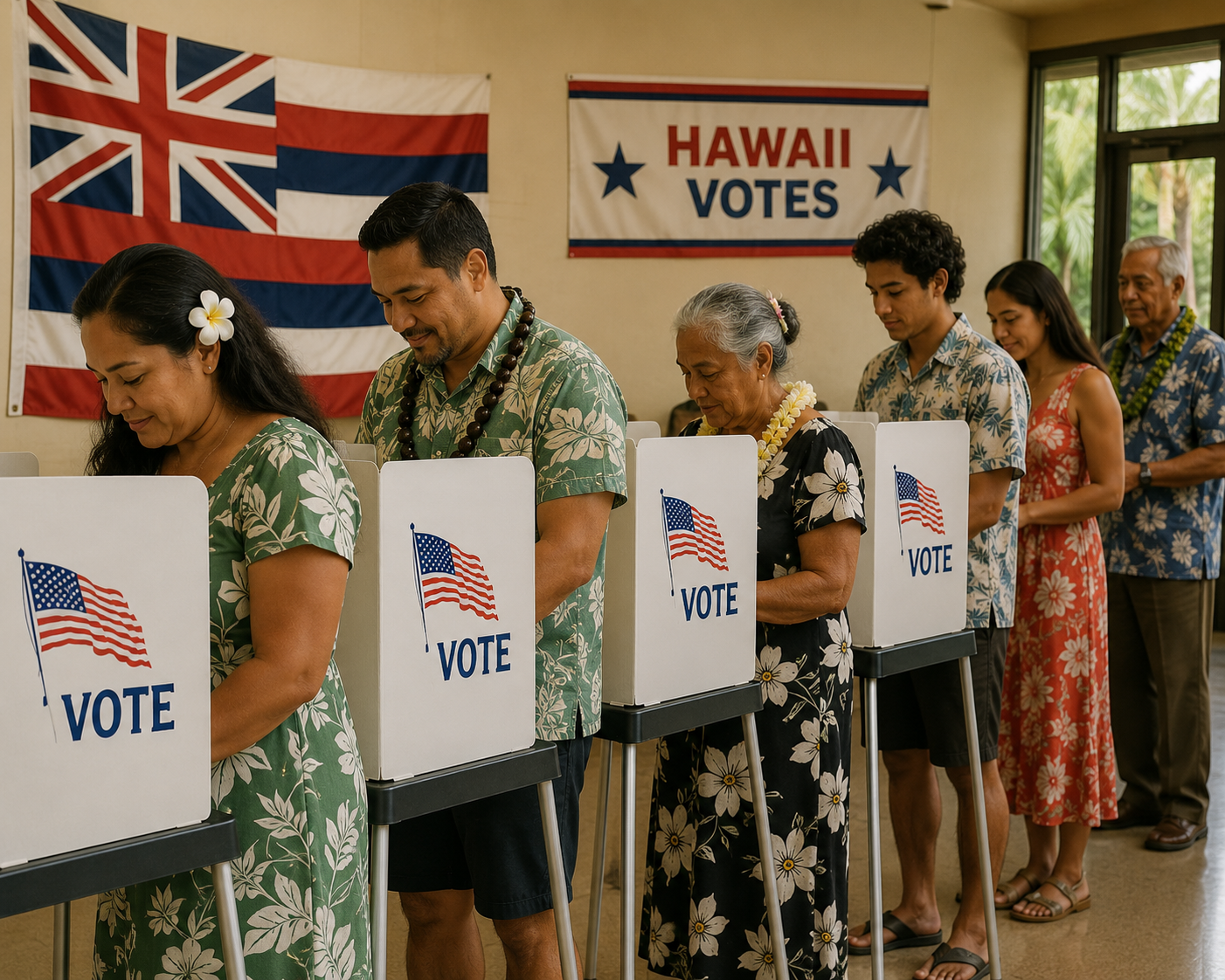
The Vote They Say Hawaiians Don't Cast
Every election season, the same explanation gets recycled for Hawaiʻi's dismal turnout: Native Hawaiians don't vote.
It's a tidy story. It's also, as far as anyone can actually show, not true.
Earning Less. Stretched Further
Here's a number that looks almost reassuring at first glance.
In 2022, the median Native Hawaiian household in Hawaiʻi earned $81,328. The state median was $92,458. An $11,000 gap is real, but it's not the chasm you might expect given everything else we know. You could read that figure and conclude Native Hawaiian families are holding roughly even.
You'd be reading it wrong. And the reason why is the most important thing in the Office of Hawaiian Affairs' income data.

It Starts Early
When people talk about Native Hawaiian health, the conversation almost always lands in the same place: diabetes, heart disease, the chronic illnesses that show up in middle age.
Those numbers are real. Native Hawaiian adults carry diabetes at higher rates than the state — prevalence climbed from about 9 percent in 2011 to nearly 14 percent by 2019 before the pandemic disrupted the data. But focusing only there misses something the Office of Hawaiian Affairs' Native Hawaiian Data Book makes hard to ignore.

The Diploma Isn't the Gap
For a long time, the story about Native Hawaiian students went like this: they fall behind, they leave school, they don't finish.
That story is out of date.

Response to an article by an Anonymous 15-year-old girl
I'm a man, and reading your account made me sit with a hard truth; men built the world you're describing. Social media didn't invent misogyny; it just gave it a megaphone and an algorithm.