Preparing Hawaiʻi Students for Life After High School Takes More Than Motivation
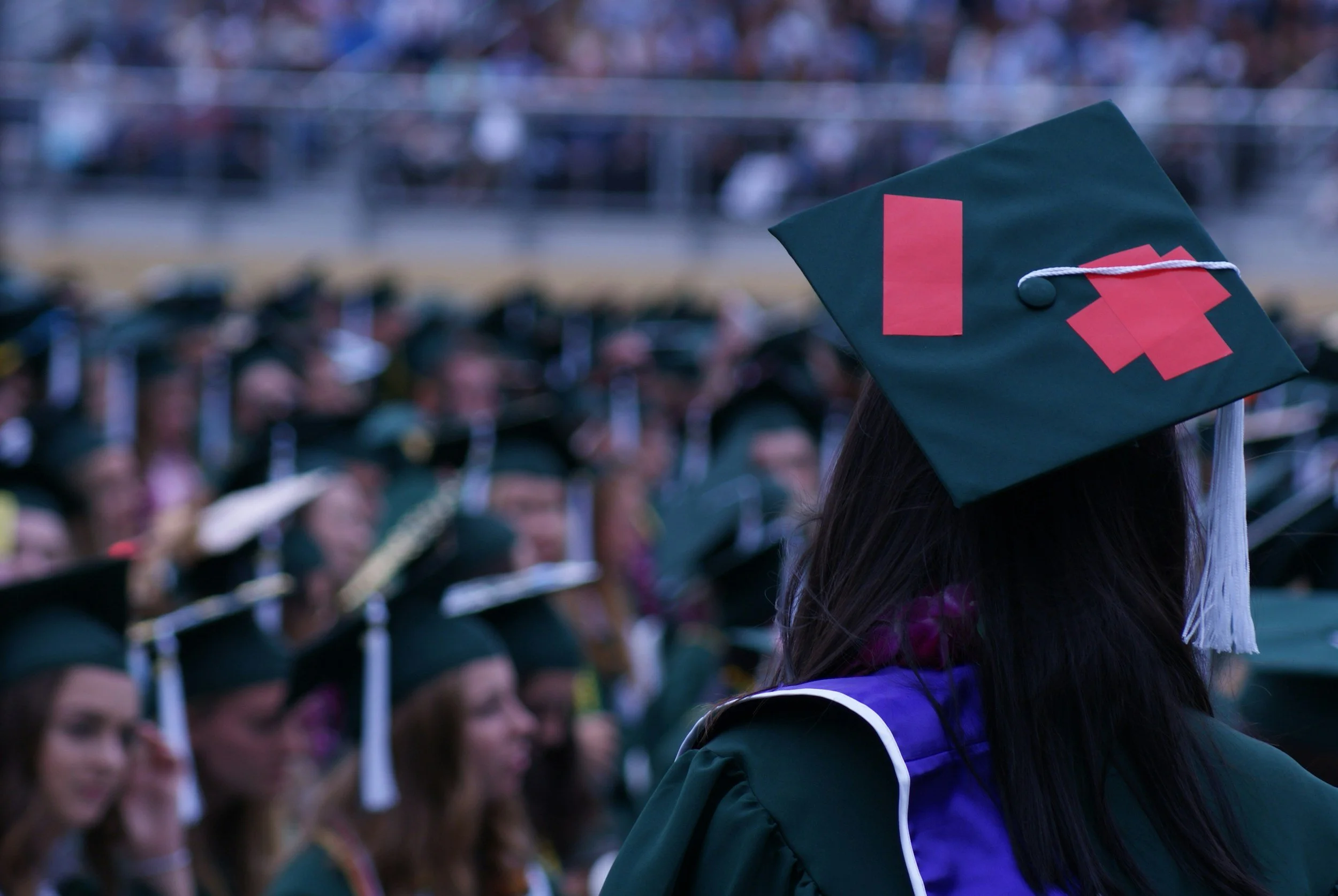
The start of a new year often brings renewed energy and optimism. For families with high school students, however, it also brings anxiety. As the school year moves quickly toward its end, many parents and students face an urgent and complex decision: what comes after graduation?
For some students, that path includes college. For others, it may mean entering the workforce, military service, or pursuing vocational or community-based opportunities. These decisions are not just academic. They are emotional, financial, and deeply personal. Yet we often frame them as simple outcomes of motivation or mindset.
In Hawaiʻi, we frequently emphasize the importance of a growth mindset; the belief that abilities and intelligence can improve through effort. This idea, popularized by psychologist Carol Dweck, has shaped school practices and social-emotional learning efforts statewide. But recent data suggest that belief alone is not enough.
According to the Hawaiʻi Department of Education’s Student Social-Emotional Learning self-assessment, roughly, only half of students believe they can improve their academic performance. While that number may seem encouraging at first glance, it also means that nearly half of our students do not believe improvement is possible, even as they are being asked to make one of the most consequential transitions of their lives.
Believing in growth matters, but belief alone does not determine how well someone navigates change.
Transitions Are Hard, Even When They’re Expected
Adult transition theory helps explain why. Psychologist Nancy Schlossberg argued that all transitions are challenging, regardless of age or level of preparation. Even expected transitions, such as graduating from high school, can destabilize routines, roles, and identities. Schlossberg identified four key factors that shape how individuals cope with transitions: situation, self, supports, and strategies, often referred to as the 4S framework.
For high school students, the situation includes far more than choosing between college and work. It often involves pressure to meet family expectations, financial uncertainty, fear of disappointing others, and concern about leaving home or staying behind. Well-intentioned comparisons with siblings, peers, or previous generations can unintentionally increase stress and narrow a student’s sense of possibility. When stress rises, confidence often falls.

The self refers to how a student sees their ability to manage change. Some students approach transition with optimism and confidence; others carry the weight of academic struggles, economic hardship, or family instability. During this period, a student’s internal narrative, whether they see themselves as capable or constrained, can matter as much as their grades.
Supports are another critical factor. In Hawaiʻi, family and community support are deeply valued; however, this support does not always feel supportive to a young person in transition. Students may feel pressure to follow a particular path, even when it does not align with their interests or circumstances. Listening without judgment, validating uncertainty, and allowing space for exploration can significantly strengthen a student’s ability to cope.
Finally, strategies refer to how students approach change. Are they gathering information, seeking guidance, reflecting on their goals, and learning from setbacks? Or are they trying to avoid the decision altogether? Parents play a crucial role in this by helping students reframe challenges as learning opportunities and by encouraging them to seek help rather than striving for perfection.
Shifting the Focus From Outcomes to Process
When we focus exclusively on a growth mindset without acknowledging the complexity of transition, we risk oversimplifying the experiences of young people. Mindset flourishes not in isolation, but within supportive environments that acknowledge stress, uncertainty, and identity change as integral to the process.
Seeing transition as a process rather than a single decision allows a growth mindset to take root. When families understand their child’s situation, support their sense of self, provide meaningful supports, and help them develop coping strategies, students are far more likely to approach the future with confidence and clarity.
Growth mindset matters, but only when it is paired with an understanding of transition.
What Parents Can Do
Normalize uncertainty. Let your student know that feeling unsure about the future is normal and does not mean they are failing.
Ask open-ended questions. Instead of “What are you going to do?” try “What are you considering right now?” or “What feels exciting or stressful about these options?”
Reduce comparisons. Avoid comparing your child’s path to siblings, peers, or your own experience.
Focus on process, not outcomes. Praise effort, reflection, and persistence rather than specific decisions.
Identify supports together. Help your student name trusted adults—teachers, counselors, family members, or mentors—they can turn to for guidance.